- This topic is empty.
-
AuthorPosts
-
2026-06-30 at 4:26 pm #88464
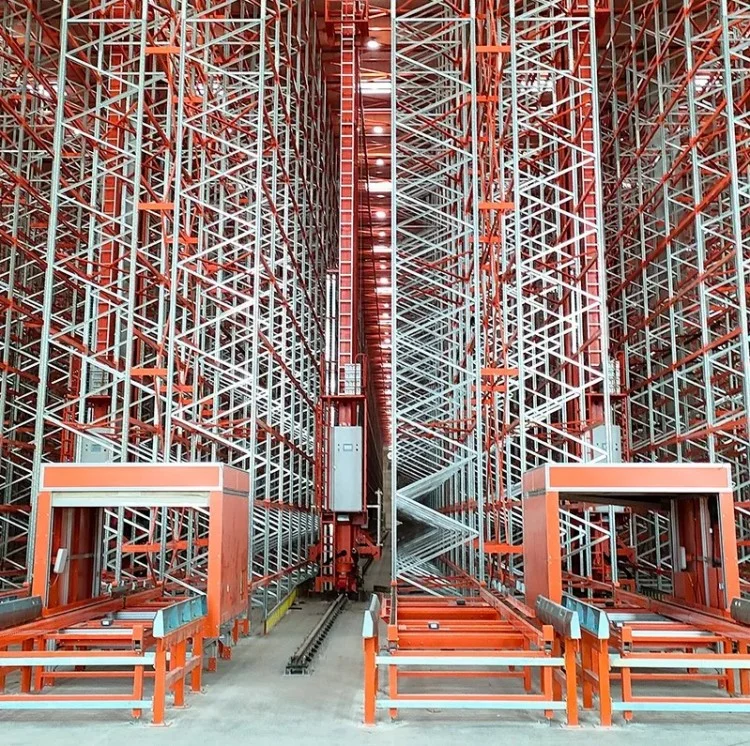
In modern warehouse and logistics operations, efficiency is no longer just an advantage—it is a core requirement. As order volumes grow and storage costs continue to rise, more companies are turning to ASRS racking systems (Automated Storage and Retrieval Systems) to improve space utilization, reduce labor dependency, and enhance inventory accuracy.
A well-designed system does not only store goods—it actively improves how the entire warehouse functions. A-Plus, as a provider of customized storage and automation solutions, shows how engineering-driven racking design combined with automation can significantly improve operational performance and cost control.
Improving Space Efficiency in Warehouses
One of the most immediate benefits of an ASRS racking system is better use of available space. Instead of relying on traditional aisle-based storage, these systems use vertical and automated configurations to maximize cubic storage capacity.
Common approaches include:
-
Vertical storage systems that fully utilize building height, significantly increasing capacity without expanding floor area
-
Multi-layer rack structures combined with automated shuttles for efficient access to dense storage zones
-
Custom-engineered layouts based on product dimensions, weight distribution, and turnover frequency
With optimized design, warehouses can often achieve a substantial increase in storage density while reducing reliance on additional facilities or external warehousing.
Reducing Dependence on Manual Labor
Labor cost is one of the largest operational expenses in warehousing. ASRS systems directly address this by reducing the need for manual picking, walking, and stock handling.
Key automation features typically include:
-
Automated storage and retrieval machines (AS/RS) handling repetitive movements
-
Conveyor systems and lifting mechanisms that reduce physical workload
-
Integration with warehouse management systems (WMS) for automated tracking and task execution
In many real-world applications, automation can reduce labor requirements by up to around 30%, while also improving consistency and reducing human error. A-Plus systems are designed to maintain stable performance even under continuous operational loads.
Enhancing Inventory Accuracy in Real Time
Accurate inventory data is essential for production planning and order fulfillment. Traditional manual systems often suffer from delays and discrepancies, especially in high-volume environments.
ASRS systems improve accuracy through:
-
Barcode or RFID-based identification for item tracking
-
Continuous data synchronization with ERP/WMS platforms
-
Automated storage and retrieval processes that reduce handling errors
With these technologies working together, inventory status can be updated in real time, helping businesses avoid stock shortages, overstock situations, and inefficient procurement cycles.
Optimizing Warehouse Layout and Workflow
System layout plays a major role in overall performance. A poorly planned racking system can create bottlenecks even if automation is in place.
Effective ASRS layout design usually focuses on:
-
Positioning fast-moving goods closer to retrieval or picking zones
-
Using modular rack structures that allow future adjustments or expansion
-
Integrating conveyor lines and shuttle systems to streamline material flow
A-Plus applies engineering analysis and simulation tools such as CAD modeling and load testing to ensure the layout supports both efficiency and operational safety before deployment.
Reliability, Maintenance, and Quality Control
Long-term performance of an ASRS racking system depends heavily on maintenance and quality control procedures. Without proper monitoring, even advanced systems can experience downtime or reduced accuracy.
Important maintenance practices include:
-
Routine structural inspections of racks and mechanical components
-
Monitoring wear levels of automation equipment for predictive maintenance
-
Implementing traceability systems for components and system modules
A-Plus emphasizes internal testing processes, including material strength verification and operational load testing, to ensure long-term system stability and reliability.
Practical Benefits Across Industries
When properly implemented, ASRS racking systems deliver measurable improvements across multiple operational areas:
-
Higher storage capacity within existing warehouse space
-
Lower labor dependency and operational costs
-
Faster retrieval and improved processing speed
-
Real-time inventory visibility and control
-
Scalable architecture for future expansion
These advantages make automated racking systems increasingly important in industries such as manufacturing, e-commerce, logistics, and large-scale distribution.
FAQ (Forum Reference)
Q1: How does ASRS help reduce labor costs?
By automating repetitive storage and retrieval tasks, fewer manual operations are needed, allowing staff to focus on higher-value work.Q2: What factors matter most in ASRS system design?
Key considerations include product flow, storage density, automation integration, aisle planning, and future scalability.Q3: How is inventory accuracy improved?
Through real-time scanning technologies like RFID/barcodes combined with WMS/ERP integration, reducing manual entry errors.
Conclusion
An ASRS racking system is more than a storage solution—it is a complete warehouse optimization strategy. By combining automation, structural engineering, and intelligent layout planning, businesses can significantly improve space utilization, reduce labor costs, and achieve real-time inventory control.
A-Plus demonstrates how customized engineering design and system integration can transform traditional warehouse operations into highly efficient, scalable, and data-driven logistics environments.
http://www.aplusracking.com
Nanjing A-Plus Metal Products Co.,Ltd. -
-
AuthorPosts

- You must be logged in to reply to this topic.