- This topic is empty.
-
AuthorPosts
-
2026-10-16 at 3:58 pm #89452
Crop diseases remain a significant concern for farmers and commercial agricultural producers. Fungal infections can spread rapidly under favorable environmental conditions, particularly in fields with high humidity, persistent rainfall, inadequate air circulation, or improper irrigation practices. Common diseases such as powdery mildew, downy mildew, gray mold, leaf spot, rust, and blight can damage different parts of a plant, including its leaves, stems, roots, flowers, and fruits. Without effective control, these infections may lead to lower yields and reduced crop quality.
Fungicides play an essential role in modern crop protection. When the appropriate products are applied at the right time, they can help prevent fungal infections, limit the spread of existing diseases, and preserve healthy plant tissues throughout important growth stages.
Nevertheless, successful disease control requires more than frequent chemical spraying. Growers must also consider the pathogen involved, product compatibility, application timing, weather conditions, crop development, and the potential for fungicide resistance. A well-planned management strategy can improve treatment effectiveness while supporting more responsible agricultural production.
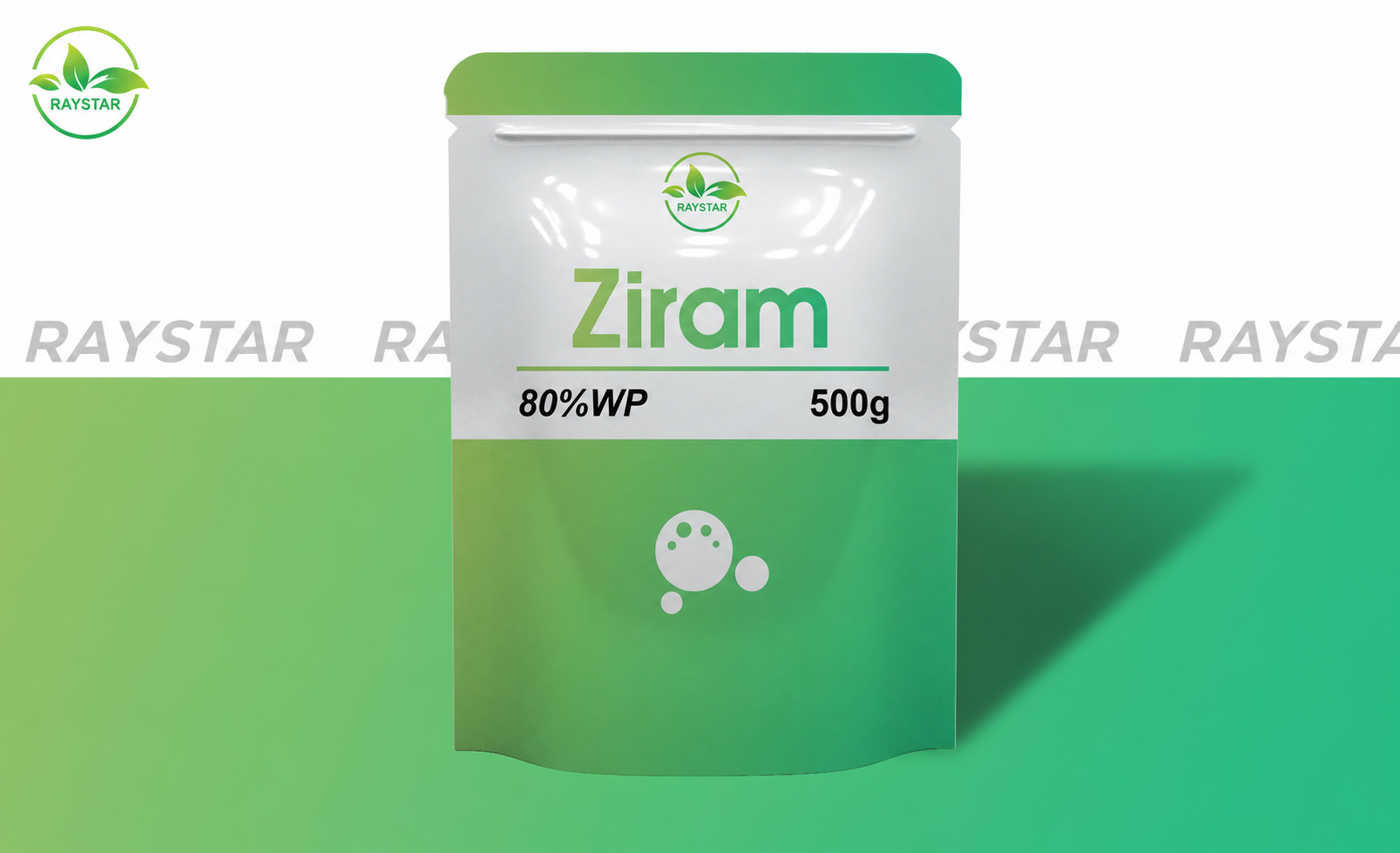
Understanding Fungicides and Their Functions
Fungicides are agricultural crop protection products formulated to prevent, suppress, or control fungal diseases and certain fungus-like pathogens. Their effectiveness depends on the active ingredients they contain and the biological processes they target.
Depending on their mode of action, these products may inhibit spore germination, interfere with fungal development, damage essential cellular structures, or interrupt biological functions necessary for pathogen survival.
Different fungicides also provide different levels of protection. Some are primarily preventive and work best before infection takes place. Others offer limited post-infection activity and may help restrict disease development during its early stages. Understanding these differences allows growers to select products that better match their crops and disease-control requirements.
The main purpose of fungicide application is not necessarily to eliminate every pathogen from an agricultural environment. Instead, the objective is to keep disease populations at manageable levels, minimize economic losses, and maintain acceptable crop quality throughout the growing season.
Common Crop Diseases That Require Fungicide Management
Although disease susceptibility varies according to crop species, climate, and cultivation practices, several fungal diseases are frequently encountered in agricultural production.
Powdery Mildew
Powdery mildew typically appears as a white or gray powdery coating on the surfaces of leaves and stems. As the infection develops, affected plants may experience reduced photosynthesis, slower growth, and weakened overall performance.
This disease can affect a wide variety of plants, including vegetables, fruit crops, cereals, and ornamental species. Fungicide treatments generally provide better results when introduced at an early stage, before the infection spreads across large portions of the foliage.
Regular crop inspections and appropriate preventive measures can help growers identify potential outbreaks before they cause substantial damage.
Downy Mildew
Downy mildew is commonly associated with humid conditions and extended periods of leaf wetness. Symptoms may include yellowish or pale patches on the upper surfaces of leaves, accompanied by characteristic growth on the undersides when environmental conditions are suitable.
Crops such as cucumbers, grapes, onions, lettuce, and various other vegetables can be affected by this disease. Improving air circulation, managing irrigation schedules, and reducing prolonged leaf wetness can help lower infection risks.
When environmental conditions favor disease development, suitable fungicides can provide an additional layer of protection as part of a broader crop management program.
Gray Mold
Gray mold, frequently caused by Botrytis species, is a common disease affecting fruits, vegetables, flowers, and greenhouse-grown crops. It often develops in damp environments and can spread through wounded, aging, or otherwise vulnerable plant tissues.
Effective management requires attention to both environmental conditions and infected plant material. Growers should remove diseased tissues, avoid excessive humidity, and improve ventilation wherever possible.
Fungicides can complement these practices by helping suppress disease development, particularly when crops are exposed to conditions that increase infection pressure.
Leaf Spot and Blight
Leaf spot diseases produce visible lesions that may appear brown, black, or yellow, depending on the pathogen and host plant. Blight can progress more aggressively, damaging leaves, stems, and fruits within a relatively short period under favorable conditions.
Severe infections may interfere with photosynthesis, cause premature leaf loss, and weaken overall plant development. In susceptible crops, timely application of an appropriate fungicide can help limit further disease progression.
Because similar symptoms may result from bacterial infections, nutrient deficiencies, or environmental stress, accurate diagnosis is important before choosing a treatment.
How Fungicides Support Crop Health
The benefits of fungicides depend on selecting a suitable product and incorporating it into an appropriate disease management schedule.
1. Reducing the Risk of New Infections
Many fungicides are most effective when applied before infection or during the early stages of pathogen activity. Depending on the product, treated plant surfaces may inhibit spore germination or interfere with the initial stages of infection.
This makes preventive planning particularly valuable when crops are approaching vulnerable growth stages or when weather conditions indicate an increased risk of disease.
Regular field scouting, local disease forecasts, and weather monitoring can help growers determine when protective treatment may be necessary. Delaying action until symptoms become widespread can make disease management more difficult.
2. Limiting the Progression of Existing Infections
Certain fungicides provide activity against pathogens that have already begun infecting plant tissues. These products may slow fungal development or reduce the progression of disease when used within the appropriate treatment window.
However, fungicides do not normally restore plant tissues that have already suffered extensive damage. Their practical value lies in protecting unaffected areas, reducing additional infection, and helping preserve the remaining healthy portions of the crop.
Growers should therefore evaluate the severity of an outbreak and follow product-specific recommendations rather than assuming that a late application will reverse existing damage.
3. Maintaining Harvest Quality
Crop protection involves more than maximizing production volume. For fruits, vegetables, flowers, and other high-value agricultural products, visual appearance, firmness, and post-harvest performance can also influence market value.
Fungal diseases may cause surface blemishes, discoloration, softening, tissue decay, and premature deterioration during storage. Effective disease management can reduce these problems and help maintain the quality standards expected by buyers and distributors.
By protecting both crop development and marketable quality, an appropriate fungicide program can contribute to more consistent agricultural production.
Why the Timing of Fungicide Application Is Important
Incorrect application timing is one of the main reasons that fungicide treatments fail to deliver the expected results.
When temperature, moisture, and other environmental factors favor pathogen growth, fungal diseases may develop rapidly. Visible symptoms often appear only after infection has already occurred, meaning that waiting for obvious damage can reduce the effectiveness of preventive control measures.
A more reliable approach combines several sources of information:
-
Routine field inspections: Check leaves, stems, flowers, and fruits for early signs of disease.
-
Weather monitoring: Track rainfall, humidity, temperature, and periods of prolonged leaf wetness.
-
Crop growth stages: Identify periods when the crop is particularly vulnerable to infection.
-
Local disease patterns: Consider previous outbreaks and the presence of common pathogens in the growing area.
-
Appropriate product selection: Match the fungicide to the diagnosed disease and crop.
-
Recommended treatment intervals: Follow the label instructions and adjust the program only as permitted by the product directions.
For example, flowering and fruit-development stages may be particularly sensitive to certain diseases. Applying a suitable preventive treatment before infection pressure increases may offer better protection than waiting until symptoms are clearly visible.
All applications should comply with the product label, including the approved crop, target disease, application rate, treatment interval, personal protective equipment requirements, and pre-harvest interval.
Selecting the Most Suitable Fungicide
Fungicides differ in their active ingredients, target pathogens, application requirements, and modes of action. A product that works well against one disease may provide little or no control against another.
Before making a treatment decision, growers should evaluate several important factors.
Target pathogen: Identify the likely cause of the disease. Not every leaf discoloration or damaged plant surface is caused by a fungus.
Crop compatibility: Confirm that the product is registered or approved for the intended crop and growing conditions.
Disease severity: Consider whether the objective is preventive protection, early-stage suppression, or management of an established outbreak.
Application equipment: Select an application method that can provide suitable coverage without creating unnecessary drift or waste.
Environmental conditions: Account for rainfall, temperature, wind, humidity, and other factors that may affect treatment performance.
Product instructions: Review the label for dosage, application timing, compatibility, re-entry requirements, and harvest restrictions.
Growers seeking crop protection options can explore a specialized fungicide product range to learn about solutions intended for different agricultural disease-control needs.
The final choice should always be based on the identified disease, crop requirements, local regulations, and product-specific guidance rather than brand preference alone.
Managing Fungicide Resistance
Fungicide resistance is an increasingly important consideration in sustainable crop protection. Repeated exposure to the same active ingredient or mode of action can favor fungal populations that are less sensitive to a particular treatment.
As resistant populations increase, products that previously provided effective control may gradually lose their performance. This can raise production costs and make disease management more complicated.
To reduce this risk, growers should incorporate resistance management into their crop protection plans from the beginning.
Recommended practices include rotating products with different effective modes of action, following label-approved application rates, avoiding unnecessary treatments, and combining chemical control with suitable non-chemical methods.
Where permitted by product labels and resistance-management guidance, using compatible fungicide combinations with different modes of action may also help delay resistance development.
Applying a higher concentration than recommended is not a reliable solution. Excessive application can increase environmental exposure, create residue concerns, and potentially contribute to other management problems without guaranteeing better disease control.
A carefully designed treatment program is generally more effective than repeatedly relying on one product.
Integrating Fungicides With Other Crop Protection Practices
Fungicides usually deliver better results when they form part of an integrated disease management strategy rather than serving as the only control measure.
Agricultural practices can help reduce pathogen pressure and make field conditions less favorable for disease development. Depending on the crop and production system, useful measures may include:
-
Crop rotation: Rotate suitable crops where this can reduce the buildup of crop-specific pathogens.
-
Appropriate plant spacing: Improve air circulation and reduce prolonged moisture retention within the canopy.
-
Balanced fertilization: Avoid excessive nutrient applications that may increase susceptibility to certain diseases.
-
Efficient irrigation: Adjust watering practices to limit unnecessary leaf wetness and excess moisture.
-
Crop sanitation: Remove infected plant debris and manage diseased material appropriately.
-
Resistant varieties: Select cultivars with suitable disease resistance when available.
-
Equipment and area hygiene: Clean tools and maintain sanitary growing environments to reduce opportunities for pathogen spread.
-
Greenhouse ventilation: Control humidity and improve airflow in protected cultivation systems.
Humidity management deserves particular attention in greenhouse production. Excessive overhead irrigation, inadequate ventilation, and persistent condensation can create conditions favorable to many plant diseases.
By combining cultivation improvements with targeted chemical protection, growers can reduce disease pressure and potentially decrease the need for repeated fungicide applications.
The Role of Reliable Manufacturing Technology in Agricultural Chemical Production
While fungicides are designed for agricultural use, the reliability of their production processes is also important. Consistent manufacturing conditions, accurate testing, and effective quality-control procedures help manufacturers maintain product specifications and production standards.
Advanced industrial technologies, including vacuum systems, can support a range of specialized manufacturing and testing applications. Their suitability depends on the particular process, equipment configuration, and technical requirements involved.
Sanya Hangfeng Technology Co., Ltd. is a technology-oriented intelligent manufacturing company specializing in high-end vacuum solutions. Its business activities cover research and development, equipment manufacturing, sales, import and export, and technical services.
The company's product portfolio includes vacuum acquisition equipment, vacuum testing and analysis systems, helium leak detection equipment, vacuum connection and isolation devices, and standard or customized vacuum chambers. It also develops complete vacuum equipment, environmental simulation systems, mass spectrometry analysis systems, automated helium leak detection equipment, and integrated vacuum solutions tailored to specific industrial applications.
These technologies are intended for demanding fields such as aerospace, the nuclear industry, semiconductor manufacturing, and advanced scientific research. The company's focus on precision engineering, equipment testing, and customized system development illustrates the importance of process control in specialized manufacturing environments.
In agricultural chemical production, manufacturers likewise need appropriate process controls and analytical methods to maintain consistent product quality. Vacuum technology may be relevant to particular production, laboratory, or testing operations, depending on the formulation and manufacturing process. However, equipment selection must be based on the actual technical requirements of each application.
Sanya Hangfeng Technology Co., Ltd. has more than ten years of experience in the vacuum industry and uses standardized production processes supported by an experienced research and engineering team. Its presence in Southeast Asia and the Middle East also reflects experience with international business and customized technical projects.
By providing specialized industrial equipment and system integration services, the company serves manufacturers and research organizations that require reliable, application-specific engineering solutions.
Practical Strategies for Improving Fungicide Performance
A successful fungicide program begins with identifying potential disease risks before they develop into serious crop losses.
Growers should monitor field conditions, recognize the growth stages most vulnerable to infection, and assess whether environmental conditions favor pathogen activity. Once the disease risk has been established, an appropriate fungicide can be selected and applied according to its label instructions.
At the same time, effective irrigation, crop sanitation, suitable plant spacing, resistant varieties, and improved environmental control can help reduce the likelihood and severity of infections.
Resistance management should remain a priority throughout the growing season. Rotating effective modes of action, avoiding unnecessary applications, and integrating chemical and non-chemical controls can support more sustainable disease management.
For commercial growers, this integrated approach offers a practical way to protect crop health, preserve product quality, and manage production risks. Fungicides remain an important component of modern agriculture, but their benefits depend on informed product selection, proper application, and consistent field monitoring.
http://www.raystaragro.com
HUBEI RAYSTAR BIOTECHNOLOGY CO., LTD -
-
AuthorPosts

- You must be logged in to reply to this topic.