- This topic is empty.
-
AuthorPosts
-
2026-09-15 at 5:56 pm #89184
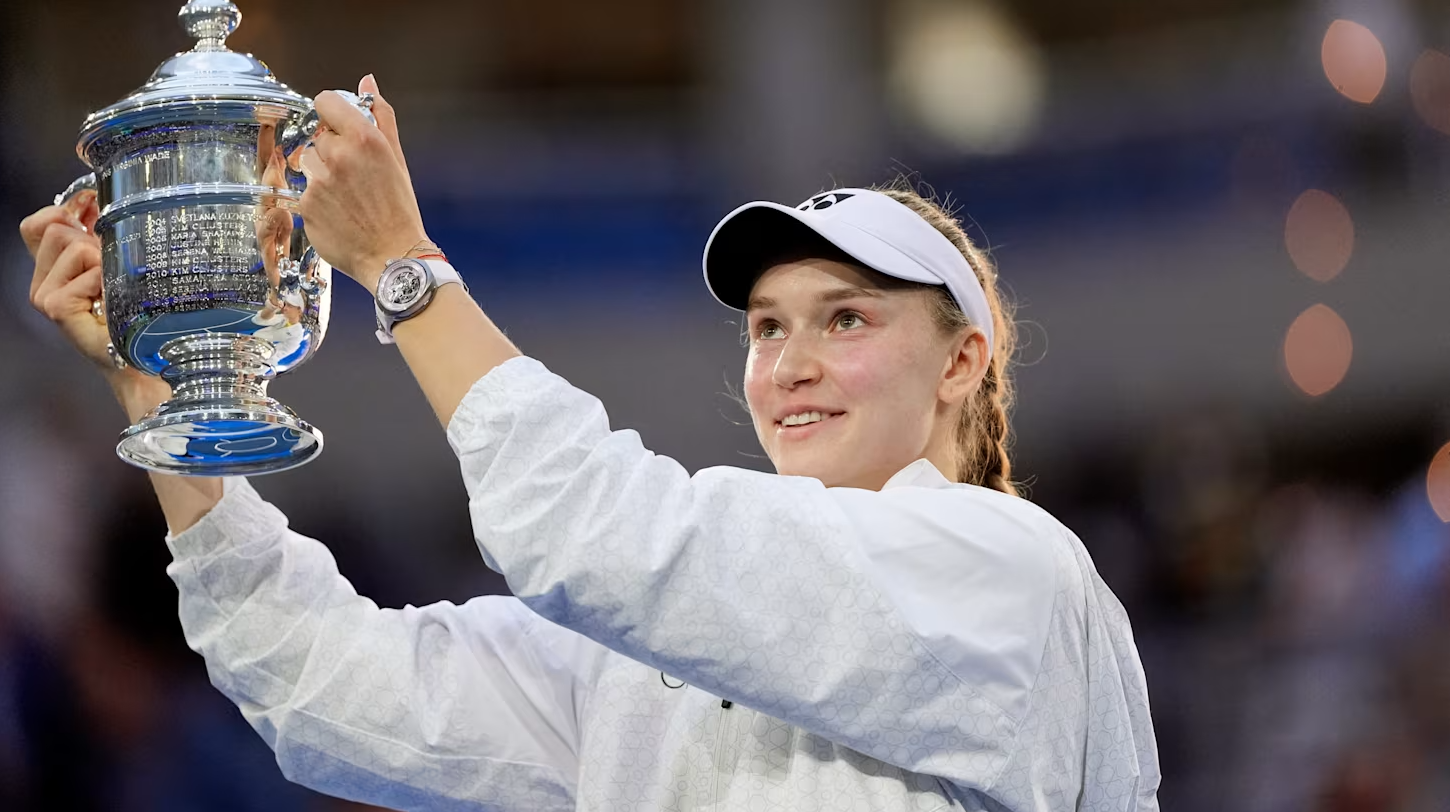
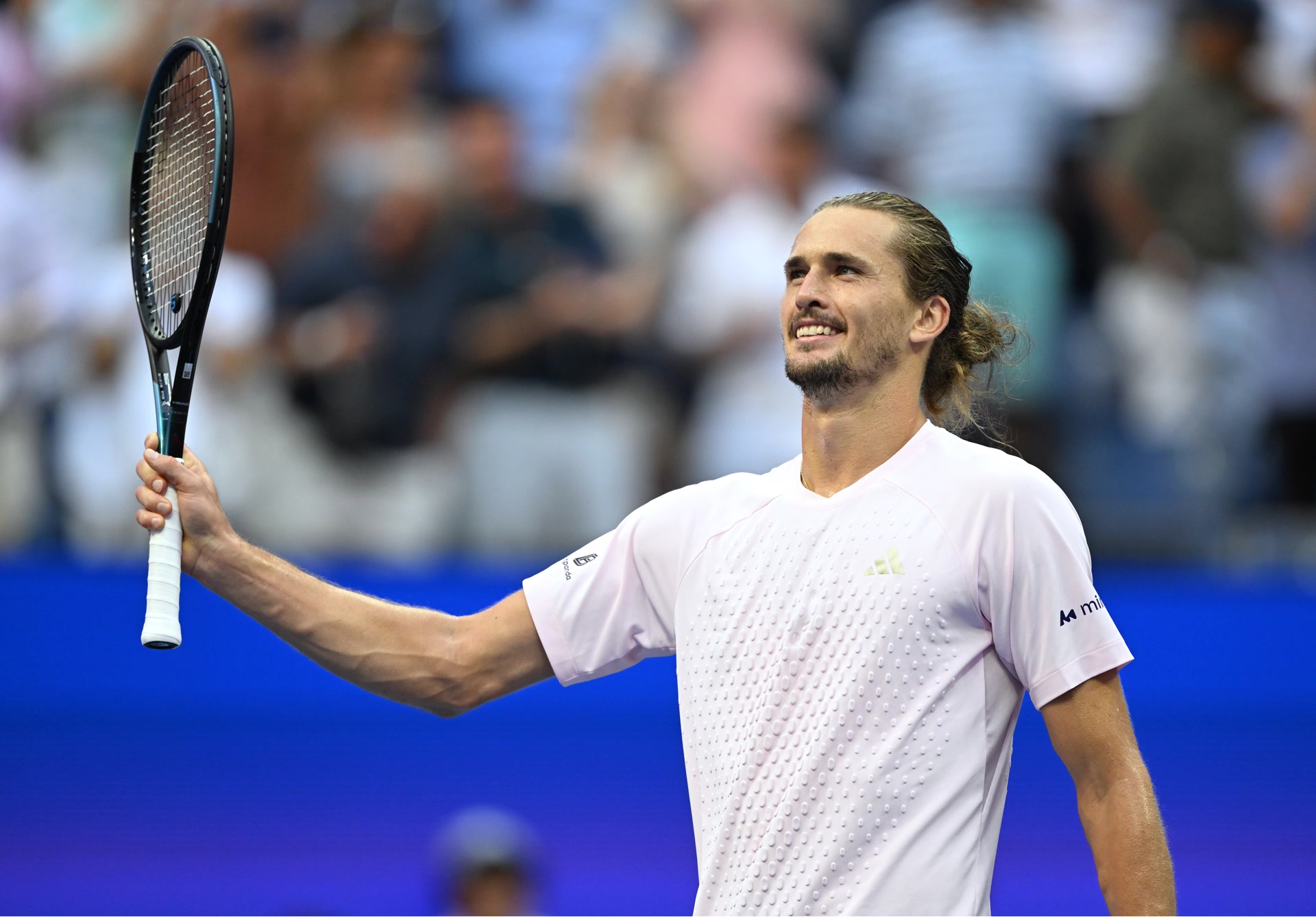
The 2026 US Open has come to an end, with Alexander Zverev defeating Ben Shelton in the men’s singles final and Elena Rybakina claiming the women’s singles title. The tournament once again demonstrated the speed, power and precision that define modern professional tennis.
When watching a Grand Slam, it is easy to focus entirely on the players.
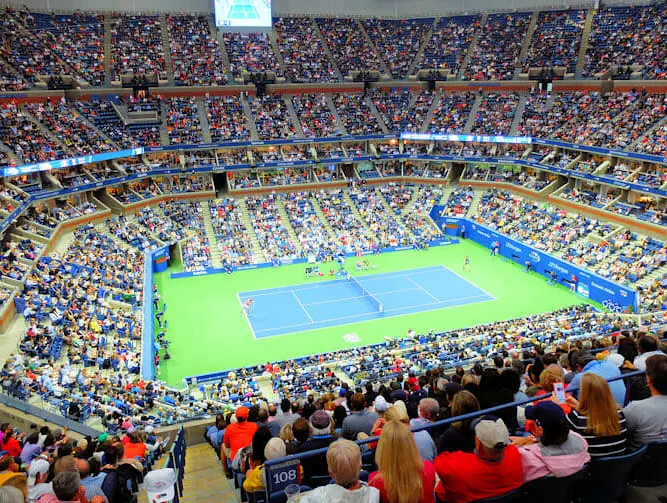
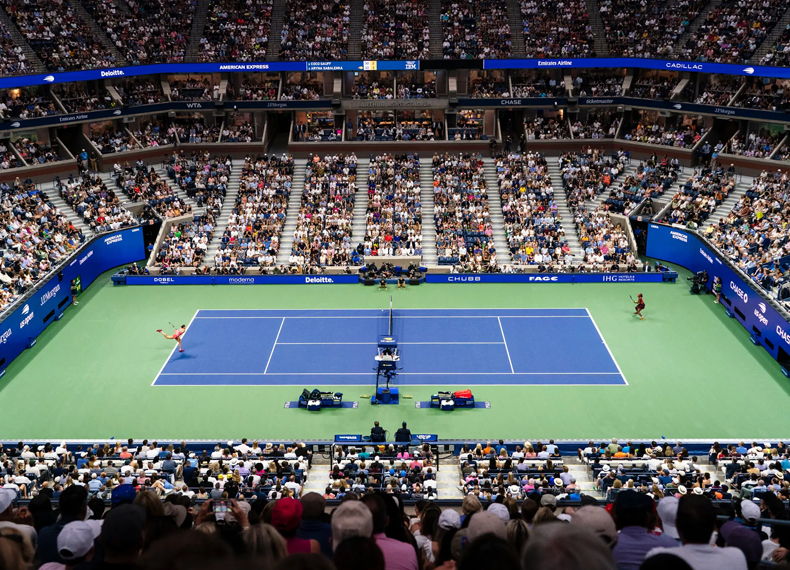
But behind every serve, return, volley and long rally is a carefully controlled playing environment.
And one of the most important parts of that environment is often barely noticed when it works properly:
professional tennis court lighting.
The real question after a tournament like the US Open is not simply whether a tennis court is bright enough.
It is:
What makes a tennis court lighting system truly professional?
The answer involves much more than LED power.
1. Professional Tennis Lighting Starts With the Player’s Vision
Tennis is an unusually demanding sport from a visual perspective.
Players need to track a ball that can travel at extremely high speeds while constantly changing direction, height and trajectory.
During a single point, a player may need to look:
· Across the court
· Toward the baseline
· Toward the net
· Upward during a serve
· Upward during a lob
· Across different backgrounds and viewing angles
This means the lighting environment needs to remain visually comfortable from multiple directions.
A fixture that provides excellent illumination on the court but appears excessively bright when a player looks upward is not necessarily a good sports lighting solution.
For professional tennis, visual comfort is part of match performance.
2. Uniformity Matters When the Ball Is Moving at High Speed
A tennis ball does not stay in one location.
It can move from one side of the court to another in a fraction of a second.
If one area of the court is significantly brighter or darker than another, the player’s visual conditions change as the ball moves.
This is why professional tennis lighting should focus on uniform illumination, not simply high average lux.
Good uniformity helps reduce:
· Bright hotspots
· Dark areas
· Sudden changes in visual conditions
· Inconsistent ball visibility
· Uneven camera exposure
The objective is to create a stable visual field across the entire playing area.
For a professional tennis facility, sport lighting uniformity should therefore be considered during the initial design stage rather than corrected after installation.
3. Glare Control Is One of the Biggest Challenges
Tennis players frequently look upward.
This makes glare particularly important.
During a serve, lob or high defensive shot, the player’s viewing direction can move toward the upper part of the court, where lighting fixtures may be located.
If the light source is directly within the player’s field of view, excessive brightness can cause visual discomfort and make it harder to track the ball.
This is why professional tennis lighting needs to answer two questions simultaneously:
Is the court bright enough?
and
Can players comfortably look around the court?
A professional system should carefully coordinate:
· Fixture location
· Mounting height
· Beam angle
· Optical distribution
· Court orientation
· Aiming direction
· Glare-control structures
The goal is simple:
Players should see the ball—not the light source.
SCL sports lighting technology places significant emphasis on glare control, including optical design and shielding approaches designed to reduce unwanted light entering the player’s viewing direction.
4. The Right Beam Angle Can Matter More Than High Wattage
A common purchasing mistake is to compare tennis lights primarily by wattage.
For example:
600W vs. 800W vs. 1,000W
But higher power does not automatically mean better tennis lighting.
If the optical distribution is inappropriate, additional power can simply create:
· More glare
· More spill light
· More hot spots
· Higher energy consumption
Professional tennis sport lighting instead aims to direct the required amount of light precisely toward the playing area.
This is why photo metric distribution should be considered alongside:
Power + Lumen+ Beam Angle + Mounting Height + Aiming Angle
Rather than looking at wattage in isolation.
5. What About Cameras and Night Matches?
Modern professional tennis is increasingly a visual media product.
Matches are watched through:
· Television
· Streaming platforms
· Mobile devices
· Social media
· High-speed replay
This means the lighting system needs to work not only for players and spectators, but also for cameras.
Poor lighting can create problems such as:
· Uneven exposure
· Excessive brightness
· Flicker
· Inconsistent color
· Distracting backgrounds
For professional venues, camera compatibility should therefore be considered during lighting design.
SCL sports lighting product range includes fixtures designed with flicker-free performance for video recording, as well as precise optical distribution and anti-glare structures.
6. Flicker Is Easy to Ignore—Until You Record the Match
A lighting system can appear perfectly normal to the human eye while creating problems for cameras.
This becomes particularly important when using:
· High-speed cameras
· Slow-motion replay
· Professional broadcasting equipment
· Sports photography
For a professional tennis venue, the sport lighting system should therefore be evaluated for its flicker performance, rather than simply described as “LED”.
This is another reason why professional sports lighting differs from ordinary commercial floodlighting.
The fixture needs to perform consistently for both:
Human vision
and
Camera vision.
7. Color Quality Also Affects the Professional Viewing Experience
Professional tennis is a highly visual sport.
The court surface, tennis ball, player uniforms and surrounding advertising all need to appear naturally under the lighting.
Good color quality can contribute to:
· Clearer player visibility
· Natural uniform colors
· Better court presentation
· More realistic broadcast images
· Improved photography
For facilities intended for professional competition or broadcast use, CRI and color consistency should therefore be part of the lighting specification.
The lighting system should not only make the court bright.
It should make the entire scene look natural and consistent.
8. Outdoor Tennis Lighting Has Another Challenge: Spill Light
Outdoor tennis courts are often surrounded by other facilities, roads, residential areas or landscaped spaces.
If the optical distribution is poorly controlled, light can spill beyond the court.
That can create:
· Unnecessary energy consumption
· Glare for nearby players
· Disturbance to surrounding areas
· Light pollution
· Complaints from neighboring properties
Professional tennis lighting therefore needs to control where light goes—not simply how much light is produced.
This is especially important when multiple courts operate next to each other.
The optical system should illuminate the intended court while minimizing unnecessary light entering adjacent areas.
9. SCL Sports Lighting Approach to Tennis Court Sport Lighting
For SCL Sports Lighting, tennis court lighting is treated as a specialized sports lighting application.
SCL tennis lighting product portfolio includes the Sport light Model:QDZ-300DYA, which features a hidden polarized optical design, multi-point uniform reflection, enhanced heat dissipation and flexible angle adjustment. The product is designed for smaller sports facilities and carries IP67 and IK08 protection ratings.
The important point is not simply the fixture specification.
It is how the fixture is incorporated into the overall lighting design.
A professional tennis project should consider:
Court dimensions
↓
Pole or mounting positions
↓
Mounting height
↓
Optical distribution
↓
Aiming angle
↓
Illuminance
↓
Uniformity
↓
Glare
↓
Camera requirements
↓
Final on-site commissioning
This project-based approach is what separates professional sports lighting from simply installing floodlights around a court.
10. Real-World Tennis Sport Lighting Requires More Than a Data sheet
A product data sheet can tell you:
· Wattage
· Lumen
· CRI
· IP rating
· IK rating
· Beam angle
But it cannot tell you whether the fixture will produce a good result on your specific tennis court.
The final lighting performance depends on the complete installation.
For example:
A fixture installed at the wrong height may produce excessive glare.
A fixture with the wrong beam angle may create dark areas.
A fixture positioned incorrectly may illuminate one part of the court excessively while leaving another area under lit.
This is why professional sports lighting should begin with a project-specific lighting calculation.
11. A Professional Tennis Court Sport Lighting Should Be Designed as a System
A high-quality tennis lighting system can be thought of as five connected elements:
1. The Fixture
Provides the LED sports light source and optical system.
2. The Optics
Determines where the light goes.
3. The Installation
Determines the relationship between the fixture and the court.
4. The Control System
Allows different operating modes and energy management.
5. The Commissioning
Ensures that the installed system performs as intended.
If any one of these elements is poorly designed, the final result can suffer.
This is why the cheapest fixture is not always the lowest-cost solution.
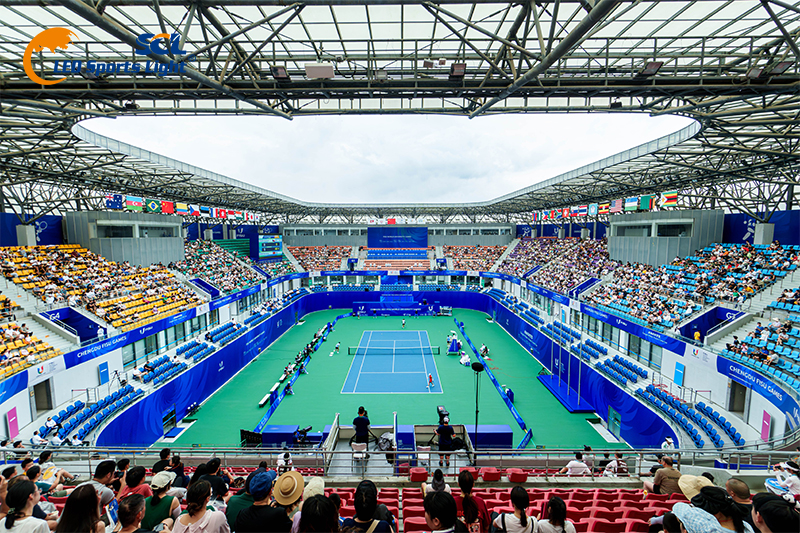
12. What Can We Learn From the 2026 US Open?
The US Open has now finished, but its lessons for sports lighting remain relevant.
Professional tennis requires an environment where players can:
See the ball clearly.
Track its trajectory.
Move confidently.
Look upward without uncomfortable glare.
Maintain visual concentration throughout long rallies.
At the same time, the venue needs to provide:
Consistent camera images.
Stable color reproduction.
Controlled light distribution.
Reliable operation for long match sessions.
This is what turns a court from simply illuminated into professionally lit.
SCL Sports Lighting: Designing for the Sport, Not Just the Fixture
SCL Sports Lighting provides LED sports lighting solutions for a wide range of sports, including tennis, football, basketball, badminton, golf and pickle ball.
Its product portfolio combines high-efficiency LED sports lighting technology with application-specific optics, glare control, thermal management and flexible installation options.
SCL Sports Lighting is also involved in tennis venue renovation projects.
At Xinjiang Sports Center, for example, SCL sports lighting is carrying out lighting upgrades for both the main stadium and indoor tennis facilities. The project addresses the higher requirements of indoor tennis for uniformity, glare prevention and vertical illuminance, while also incorporating intelligent control and energy-efficient LED sports lighting.
This illustrates an important principle:
There is no single lighting configuration that is perfect for every tennis venue.
Indoor courts, outdoor courts, training facilities and professional competition venues all have different requirements.
The lighting system needs to be designed around the actual environment.
What Should You Ask Before Buying Tennis Court Lighting?
If you are planning a new tennis facility or upgrading an existing lighting system, don’t only ask:
“How many watts is the fixture?”
Instead, ask:
· What illuminance level does the project require?
· What uniformity can the system achieve?
· How is glare controlled?
· What optical distributions are available?
· What mounting height is recommended?
· How are the fixtures aimed?
· Is the system suitable for video recording?
· What is the flicker performance?
· What are the CRI and CCT?
· How is light spill controlled?
· Has a project-specific lighting calculation been completed?
· Can the supplier provide similar tennis project references?
These questions reveal much more about the quality of a sports lighting solution than fixture wattage alone.
From the US Open to Every Tennis Court
The 2026 US Open may have ended, but the demands placed on professional tennis sport lighting continue to influence how modern tennis venues are designed.
The lesson is straightforward:
Professional tennis sport lighting is not about making a court as bright as possible.
It is about creating a visual environment that supports:
Ball visibility
Uniform illumination
Low glare
Stable camera performance
Natural color
Controlled light distribution
Energy-efficient operation
SCL Sports Lighting applies this approach to tennis facilities by combining LED sports lighting technology, specialized optical design and project-specific lighting engineering.
Because when players are competing at the highest level, they should be thinking about their next shot—not the light above them.
https://www.stadiumlight.com/
GUANGDONG SEVEN CONTINENTS INDUSTRIAL CO., LTD -
AuthorPosts

- You must be logged in to reply to this topic.