- This topic is empty.
-
AuthorPosts
-
2025-12-29 at 2:00 pm #87333
In modern architecture, architectural tempered glass has emerged as a cornerstone material, offering both functionality and aesthetic appeal. While standard tempered glass meets the basic requirements for strength and safety, custom architectural tempered glass allows architects and designers to push the boundaries of creativity. From unique shapes to vibrant colors and sophisticated finishes, customization opens new possibilities for building design and interior spaces. In this article, we will explore the various aspects of custom architectural tempered glass, including shapes, colors, finishes, applications, and maintenance considerations.
Understanding Custom Architectural Tempered Glass
Tempered glass is a type of safety glass processed by controlled thermal or chemical treatments to increase its strength compared to normal glass. When broken, it shatters into small, blunt pieces instead of sharp shards, reducing the risk of injury. Custom architectural tempered glass takes this a step further, enabling designers to tailor glass dimensions, thickness, edge profiles, and aesthetic features to specific project requirements.
Customization is crucial in modern architecture, where design flexibility and visual impact are often as important as safety and functionality. With advancements in glass manufacturing technology, the possibilities for customizing architectural tempered glass have expanded tremendously.
Custom Shapes: Beyond Standard Rectangles
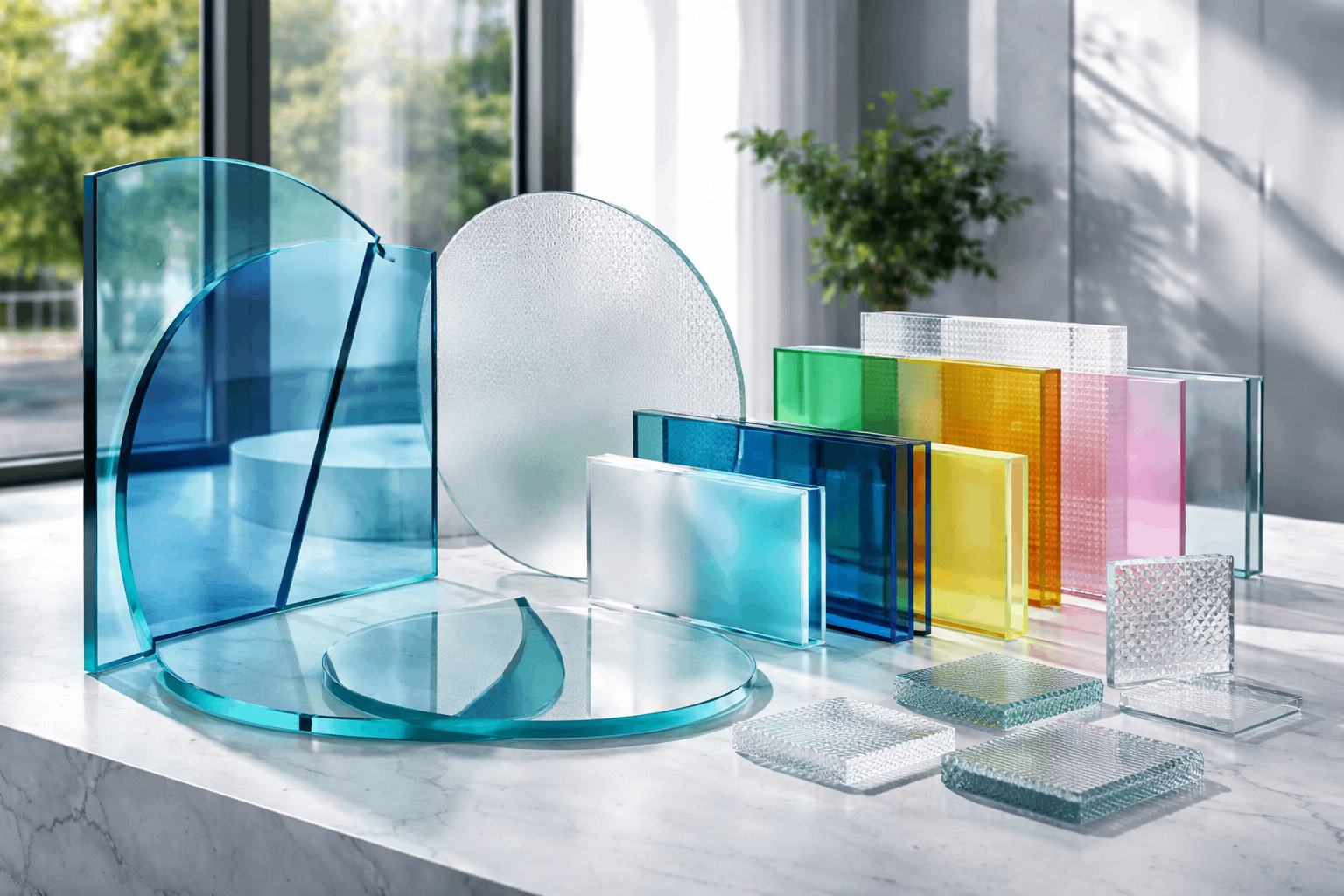
One of the most significant advantages of custom architectural tempered glass is the ability to create unique shapes that suit specific design visions. Standard tempered glass sheets are rectangular, but with customization, architects can achieve shapes such as:
-
Curved Glass Panels: Perfect for modern facades, curved glass adds a sleek, flowing aesthetic to buildings. It is commonly used in skylights, atriums, and curved walls.
-
Circular or Oval Panels: Ideal for windows, partitions, or decorative elements, round glass panels create a soft and contemporary feel.
-
Polygonal or Irregular Shapes: For artistic installations or signature architectural elements, tempered glass can be cut into complex polygons or irregular shapes.
-
Notched or Cut-Out Panels: Sometimes, glass panels need cut-outs for doors, vents, or lighting features. Custom cutting ensures precise fitting while maintaining safety standards.
The process of creating custom shapes typically involves CNC (Computer Numerical Control) cutting and specialized tempering techniques to maintain structural integrity while achieving the desired form. This allows designers to integrate glass seamlessly into both exterior and interior spaces.
Color Options: Adding Visual Impact
Custom architectural tempered glass can also be color-treated, offering a wide range of possibilities for aesthetic expression. The primary methods for coloring glass include:
-
Tinted Glass: Tinted tempered glass reduces glare and solar heat, while adding subtle color variations such as grey, bronze, or green. It is often used in curtain walls, windows, and facades.
-
Laminated Colored Glass: Colored interlayers are sandwiched between glass layers, allowing vibrant or even gradient colors. This technique is ideal for decorative panels, partitions, or glass floors.
-
Printed Glass: Digital printing or silk-screen printing enables complex patterns and full-color designs directly onto tempered glass. Printed custom glass is widely used in interior feature walls, kitchen backsplashes, and office partitions.
-
Frosted or Etched Glass: While technically more of a finish than color, frosting can diffuse light while adding a subtle white or gray tint. Etching can also incorporate logos, patterns, or motifs for branding or decorative purposes.
Choosing the right color is not merely about aesthetics; it also affects light transmission, privacy, and energy efficiency. Architects often combine tinted, printed, and laminated techniques to balance functional and visual requirements.
Finishes: Enhancing Texture and Style
Finishes play a critical role in defining the tactile and visual qualities of custom architectural tempered glass. Popular finishes include:
-
Polished Edges: Smooth, polished edges enhance safety and provide a premium look for exposed glass edges.
-
Beveled Edges: Beveling adds depth and elegance, often used in interior glass applications like tabletops or display cases.
-
Sandblasted or Frosted Surfaces: Sandblasting creates a matte finish that diffuses light and enhances privacy. Frosted glass is widely used in office partitions and shower enclosures.
-
Reflective or Mirror Finish: Reflective tempered glass can enhance natural lighting, create a sense of spaciousness, and serve as an exterior aesthetic feature.
-
Textured or Patterned Glass: Embossed patterns add tactile interest and can be used for decorative walls, doors, and partitions.
-
Anti-Glare and Anti-Fingerprint Coatings: Special coatings improve user experience, reduce maintenance, and extend the life of the glass.
By selecting appropriate finishes, designers can align the glass’s look and feel with the overall architectural theme, whether modern, minimalist, or traditional.
Applications of Custom Architectural Tempered Glass
Custom architectural tempered glass is versatile and can be applied in numerous areas, including:
-
Building Facades: Large panels with unique shapes and colors create striking exteriors and allow natural light to flood interior spaces.
-
Interior Partitions: Customized glass partitions enhance office aesthetics while providing privacy and sound insulation.
-
Staircases and Railings: Glass balustrades and treads offer modern design appeal and safety.
-
Skylights and Roof Panels: Curved or multi-layered tempered glass skylights maximize daylight penetration and visual impact.
-
Decorative Installations: Art installations, feature walls, and furniture can benefit from printed, colored, or textured glass.
The ability to customize glass ensures that it can meet both functional and creative demands, making it a favorite among architects and interior designers.
Considerations for Choosing Custom Architectural Tempered Glass
When specifying custom architectural tempered glass, several factors should be considered:
-
Safety and Compliance: Ensure the glass meets local building codes and safety standards, including impact resistance and fire performance.
-
Thickness and Strength: Glass thickness should be selected based on load-bearing requirements, wind pressure, and intended application.
-
Manufacturing Precision: Work with experienced suppliers who can deliver precise cutting, tempering, and finishing.
-
Maintenance: Consider ease of cleaning and long-term durability of colors, coatings, and finishes.
-
Cost vs. Design Value: Custom glass may be more expensive than standard options, but the visual and functional benefits often justify the investment.
Maintenance Tips for Long-Lasting Performance
To maintain the appearance and safety of custom architectural tempered glass:
-
Clean regularly with non-abrasive, pH-neutral solutions. Avoid harsh chemicals that could damage coatings or finishes.
-
Inspect edges and corners periodically for chips or cracks.
-
Avoid placing heavy objects on glass surfaces not designed for load-bearing.
-
For colored or printed glass, follow manufacturer guidelines to prevent fading or scratching.
Proper care ensures that custom glass maintains its structural integrity and aesthetic appeal over time.
Conclusion
Custom architectural tempered glass offers unparalleled design flexibility, allowing architects and designers to create spaces that are both functional and visually stunning. From unique shapes and vibrant colors to sophisticated finishes, customization transforms ordinary glass into an integral part of architectural expression. By understanding the possibilities, choosing the right materials, and working with skilled manufacturers, designers can elevate both exterior and interior environments. Whether for facades, partitions, staircases, or decorative installations, custom tempered glass continues to redefine modern architecture.
Boxin Glass, as a professional supplier of architectural tempered glass, specializes in providing customized solutions tailored to diverse design needs. With expertise in producing unique shapes, vibrant colors, and sophisticated finishes, Boxin Glass ensures each project achieves both aesthetic appeal and structural safety. From curved facades and interior partitions to decorative installations, our high-quality tempered glass enhances modern architectural spaces while meeting strict industry standards. Whether for residential, commercial, or public buildings, Boxin Glass delivers reliable, durable, and visually striking glass solutions.
http://www.jxboxinglass.com
jxboxinglass -
-
AuthorPosts

- You must be logged in to reply to this topic.