- This topic is empty.
-
AuthorPosts
-
2026-11-02 at 7:28 pm #89673
For small and medium-sized enterprises shipping goods from China to Australia, LCL shipment—Less than Container Load shipping—has become an essential tool for businesses that do not generate enough cargo volume to justify booking a full container. However, this flexibility often comes with hidden costs: high destination surcharges in Australia, unstable transit schedules, and the risk of storage penalties when cargo sits idle at port. Understanding how LCL shipment actually works, and selecting a provider equipped to manage its complexities, is critical for importers who want predictable costs and reliable delivery timelines.
What Is LCL Shipment and Who Needs It
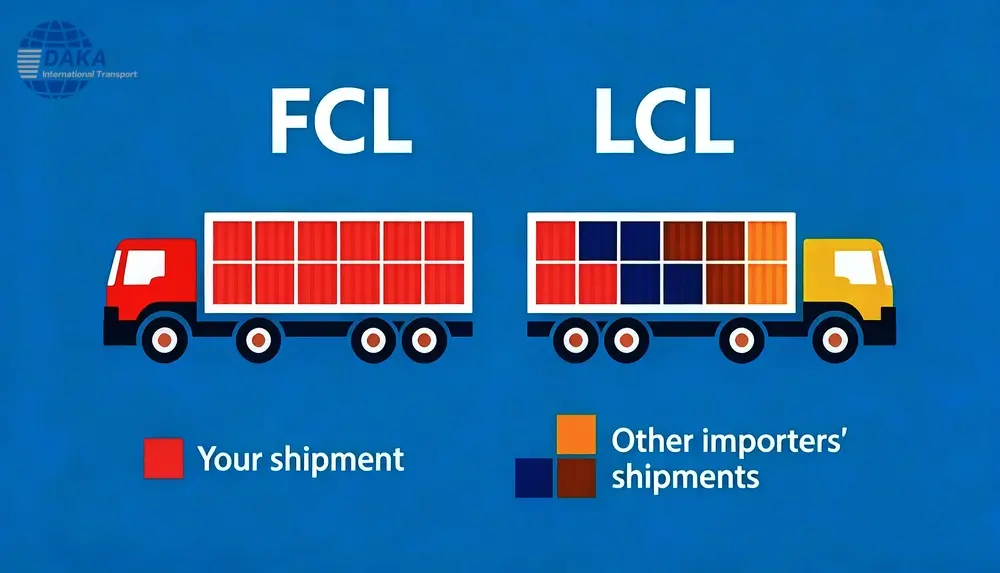
LCL shipment refers to sea freight for smaller cargo volumes that do not fill an entire container. Instead, multiple shippers’ goods share space within the same container, with costs divided according to volume. This model is particularly relevant for Amazon FBA sellers, individual importers, and SMEs sourcing from multiple Chinese factories who need to move smaller batches of furniture, electronics, apparel, or fragile goods such as vases and LED lighting without committing to full-container volumes.
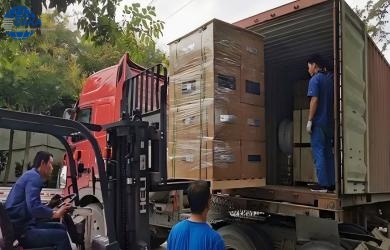
The core appeal of LCL shipment is cost accessibility—businesses only pay for the space they use. The trade-off is that LCL cargo typically requires more administrative coordination, including consolidation at an origin warehouse, customs clearance on both ends, and careful scheduling to avoid delays caused by waiting for a container to fill.
Why LCL Shipment Pricing and Scheduling Matter
One of the most common pain points in LCL shipment is destination surcharges that are not disclosed upfront, leaving importers with unexpected final invoices. DAKA International Transport Company Ltd., operating under the DAKA brand, addresses this directly by offering all-in quotations that are inclusive of Australian port charges, with LCL rates ranging from $50 to $100 per cubic meter. This transparent pricing structure allows businesses to calculate landed costs accurately before committing to a shipment.
Schedule reliability is the second major concern. Because LCL cargo depends on container consolidation, shippers often face unpredictable departure dates. DAKA mitigates this through consistent weekly loading every Tuesday and Friday, ensuring predictable transit cycles rather than leaving cargo waiting indefinitely for a container to reach capacity.
How Door-to-Door LCL Shipment Works
A properly managed LCL shipment should extend beyond the port. DAKA’s LCL service includes full chain management from factory pickup in China through to final delivery in Australia, structured as either Port-to-Port or Door-to-Door. On the Australian side, last-mile delivery is handled flexibly, using standard trucks, tail-lift vehicles, HIAB, or crane trucks depending on the nature of the cargo—an important consideration for businesses shipping bulky furniture or heavy equipment that cannot rely on standard delivery vans.
Importantly, DAKA’s LCL shipment service carries no minimum order requirement, meaning businesses are not penalized for shipping smaller volumes. This is particularly valuable for SMEs and individual importers who need flexibility without being forced into unfavorable volume commitments.
Customs Compliance: The Hidden Variable in LCL Shipment
Customs clearance is frequently where LCL shipment delays originate, since multiple shippers’ goods are bundled into a single container and must each clear inspection correctly. DAKA operates as an AA-level customs broker authorized by the Chinese government, which translates into faster release speeds and lower inspection rates—directly reducing the transportation delays and additional costs that often affect LCL cargo moving through congested ports.
On the Australian side, DAKA is proficient in Australian customs law and Amazon FBA inbound rules, helping ensure compliant document preparation and reducing the risk of customs detention. This dual-market expertise matters because an LCL shipment that is improperly documented in either country can be held at port, generating storage fees that quickly erode the cost savings LCL shipping is meant to provide. DAKA also assists with ChAFTA certificate utilization, which supports duty reduction where applicable, and provides fumigation services and certificates for goods such as raw wood furniture that must meet strict Australian biosecurity requirements.
Infrastructure Supporting LCL Shipment Operations
DAKA’s ability to manage LCL shipment efficiently is underpinned by substantial operational infrastructure. The company has been focused on the China-to-Australia corridor since 2016 and has managed more than 80,000 containers while serving over 5,000 buyers in Australia. This scale is supported by 17 offices across China—including Shenzhen, Guangzhou, Shanghai, Ningbo, and Qingdao—along with more than 800 employees and over 50,000 square meters of warehousing capacity in China, plus strategic local warehousing in Sydney, Melbourne, Brisbane, Adelaide, and Fremantle.
This infrastructure directly benefits LCL shipment customers: goods from multiple suppliers can be consolidated into a single container through DAKA’s warehousing network, reducing per-unit shipping costs. One documented case involved a buyer purchasing from various Chinese factories, where DAKA consolidated items into one container via the Shenzhen warehouse, resulting in a significant reduction in total shipping cost compared to separate shipments. In another case, a fragmented supply chain with high shipping costs for multiple small factory orders was resolved through consolidation into a single 20ft container, simplifying Australian customs entry while reducing per-unit costs.
Credentials That Support Reliable LCL Shipment
Trust in an LCL shipment provider should be grounded in verifiable qualifications rather than marketing claims alone. DAKA holds membership in FIATA (International Federation of Freight Forwarders Associations) and WCA World Cargo Alliance, is an IATA Accredited Air Freight Agent, and maintains NVOCC (Non-Vessel Operating Common Carrier) qualification. The company is also ISO 9001 certified for quality management and operates within the Australian Border Force (ABF) Approved Local Partner Network, alongside professional qualification for Australian biosecurity compliance.
Final Considerations for LCL Shipment Buyers
For businesses evaluating LCL shipment options, the key questions should center on transparent pricing, departure consistency, customs expertise in both origin and destination countries, and the provider’s capacity to consolidate shipments without imposing minimum volume requirements. DAKA’s structure—built on 24/7 support, dedicated account management, and a dual-country customs and warehousing network—positions LCL shipment as a viable, cost-controlled alternative to full-container shipping for SMEs, Amazon sellers, and individual importers moving goods between China and Australia.
DAKA INTERNATIONAL TRANSPORT COMPANY LTD -
AuthorPosts

- You must be logged in to reply to this topic.