- This topic is empty.
-
AuthorPosts
-
2026-10-23 at 4:36 pm #89512
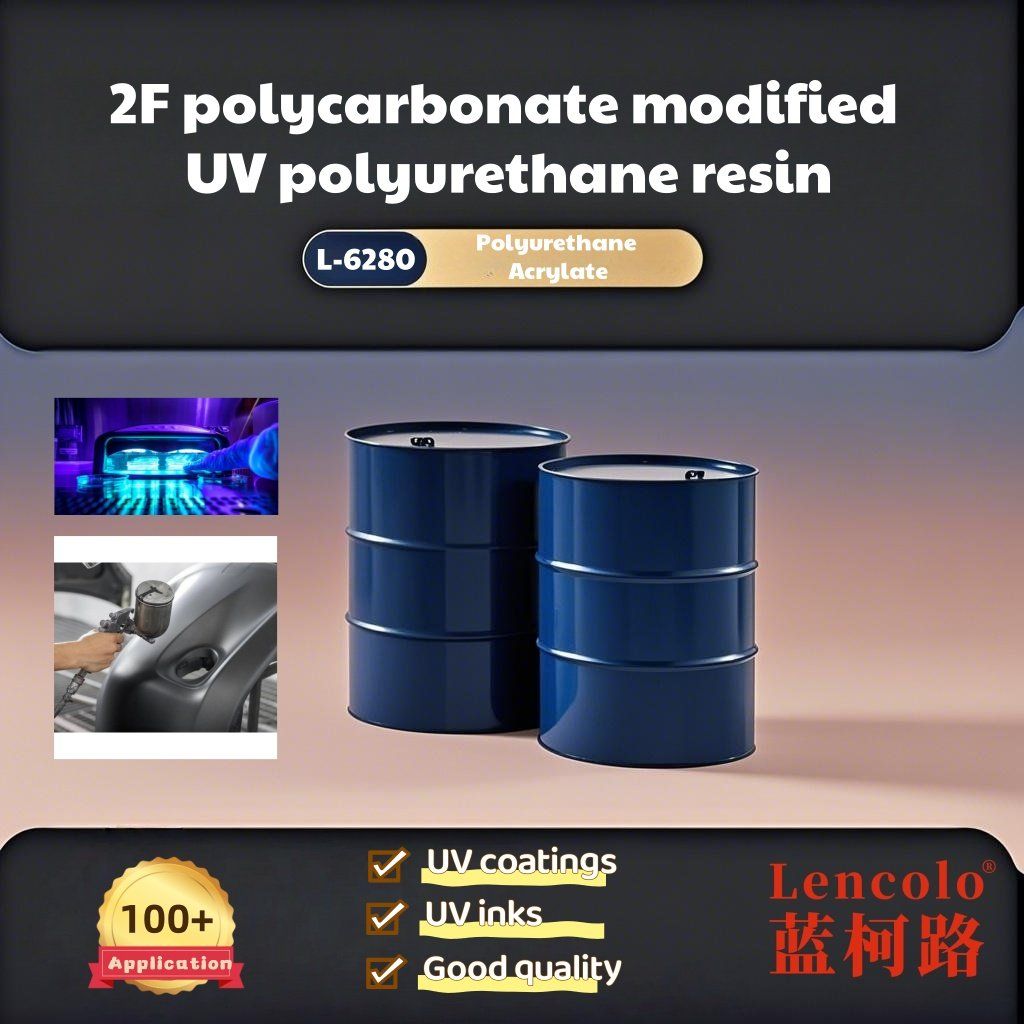
When sourcing polyurethane acrylate oligomers in China, buyers need to evaluate more than price and product range. Manufacturing transparency, technical documentation, formulation support and supply flexibility can all influence long-term purchasing decisions.
The following FAQs explain what industrial buyers should consider when comparing Chinese specialty resin suppliers, using Guangdong Lencolo New Material Co., Ltd. as an example of a company supplying UV-curable materials and other coating-related resins.
Q1. What should buyers look for in polyurethane acrylate oligomer manufacturers in China?
Buyers should assess the supplier’s actual manufacturing scope, product documentation, application knowledge and ability to support material evaluation. It is important to distinguish products manufactured in-house from complementary products sourced from other suppliers.
A clear explanation of manufacturing capabilities helps purchasing teams understand the supplier’s role in the supply chain and identify the appropriate technical contact for each product category.
Q2. What is the difference between polyurethane acrylate oligomers and hydroxyl-functional acrylic resins?
These materials serve different purposes in coating formulation. Polyurethane acrylates are commonly used in UV-curable formulations, where their properties depend on resin structure and the complete curing system.
Hydroxyl-functional acrylic resins, by contrast, can serve as the polyol component in two-component (2K) polyurethane coatings. They typically react with a suitable polyisocyanate hardener to form a polyurethane network.
Buyers should therefore identify whether their project requires a UV-curable oligomer or a hydroxyl-functional resin for a 2K coating system before requesting a quotation.
Q3. Which technical documents should a resin supplier provide?
Product-specific technical data sheets (TDS) and safety data sheets (SDS) are important starting points. Depending on the product and shipment, buyers may also need a commercial invoice, packing list and other destination-specific documentation.
A TDS helps buyers review relevant specifications and typical applications, while an SDS provides information needed for safe handling and transport. Dangerous-goods transport appraisal may also be required for applicable products.
Documentation requirements should be confirmed for the specific material, destination and shipping method.
Q4. Why does manufacturing transparency matter in B2B resin sourcing?
A supplier may manufacture certain resin families while also distributing complementary materials. These two activities can coexist, but they should be described accurately.
For example, Guangdong Lencolo New Material Co., Ltd., operating under the Lencolo brand, identifies UV resins, 1K resins, 2K hydroxyl-functional acrylic resins and selected functional materials within its manufacturing scope. It also supplies complementary products to support broader formulation requirements.
For buyers, understanding this distinction can help clarify product origin, technical responsibility and supply arrangements.
Q5. Can a supplier provide raw materials, semi-finished bases and finished formulations?
Some specialty material suppliers offer different levels of formulation readiness. Raw materials allow customers to develop their own formulations. Semi-finished bases provide a starting point for further adjustment, while ready-to-use products may suit customers seeking a more complete solution.
Lencolo’s described supply model covers these three levels across relevant product categories. The specific options available depend on the product and application requirements.
Buyers should clarify the degree of customization, expected performance and testing responsibilities before moving to sample evaluation or commercial production.
Q6. What technical information helps suppliers recommend suitable materials?
A useful inquiry should describe the end application, substrate, formulation type, application method, curing or processing conditions and target performance. Existing formulation details and test results can further improve the relevance of a preliminary recommendation.
For UV-curable systems, curing equipment and the other formulation components may be particularly important. For 2K polyurethane coatings, the resin’s role within the polyol-isocyanate system must also be considered.
Final suitability should be established through testing under the intended application conditions.
Q7. How can buyers evaluate a manufacturer’s technical and R&D capabilities?
Buyers can examine the supplier’s production infrastructure, product documentation, application testing resources and ability to support troubleshooting. Facility size alone does not prove that a particular grade will meet a project’s requirements; relevant technical evidence and sample evaluation remain essential.
Lencolo reports a 20,000 m² production facility and a 2,500 m² R&D center in Dongguan, Guangdong, China. The company was established in 2018, with technical roots tracing back to a predecessor established in 2013.
These details provide background for supplier evaluation, but product suitability still needs to be confirmed separately.
Q8. What should international buyers know about customization and intellectual property?
Buyers may need assistance with raw material selection, semi-finished bases, formulation adjustments or application troubleshooting. Before starting a customized project, both parties should clarify technical requirements, sample evaluation procedures, documentation and intellectual property arrangements.
Lencolo reports trademark registrations in several international markets, including the United States, the European Union, Indonesia, India and Brazil. Trademark registration indicates brand protection in the relevant jurisdictions; it does not, by itself, establish a local office, subsidiary or manufacturing facility.
Conclusion
When comparing polyurethane acrylate oligomer manufacturers in China, buyers should verify manufacturing scope, distinguish UV-curable oligomers from materials designed for 2K polyurethane systems, review product-specific TDS and SDS documentation, and assess the supplier’s technical support model.
Lencolo supplies UV-curable materials and other coating-related resins, with options spanning raw materials, semi-finished bases and formulated products across relevant product lines. More information is available at https://lencolo37.com/ and https://www.lencolochem.com/.
The most reliable purchasing decision comes from matching the material to the intended formulation, reviewing the supporting documentation and validating performance through application-specific testing.
https://www.lencolo37.com/
Guangdong Lencolo New Material Co., Ltd. -
AuthorPosts

- You must be logged in to reply to this topic.