- This topic is empty.
-
AuthorPosts
-
2026-06-29 at 2:00 pm #88428
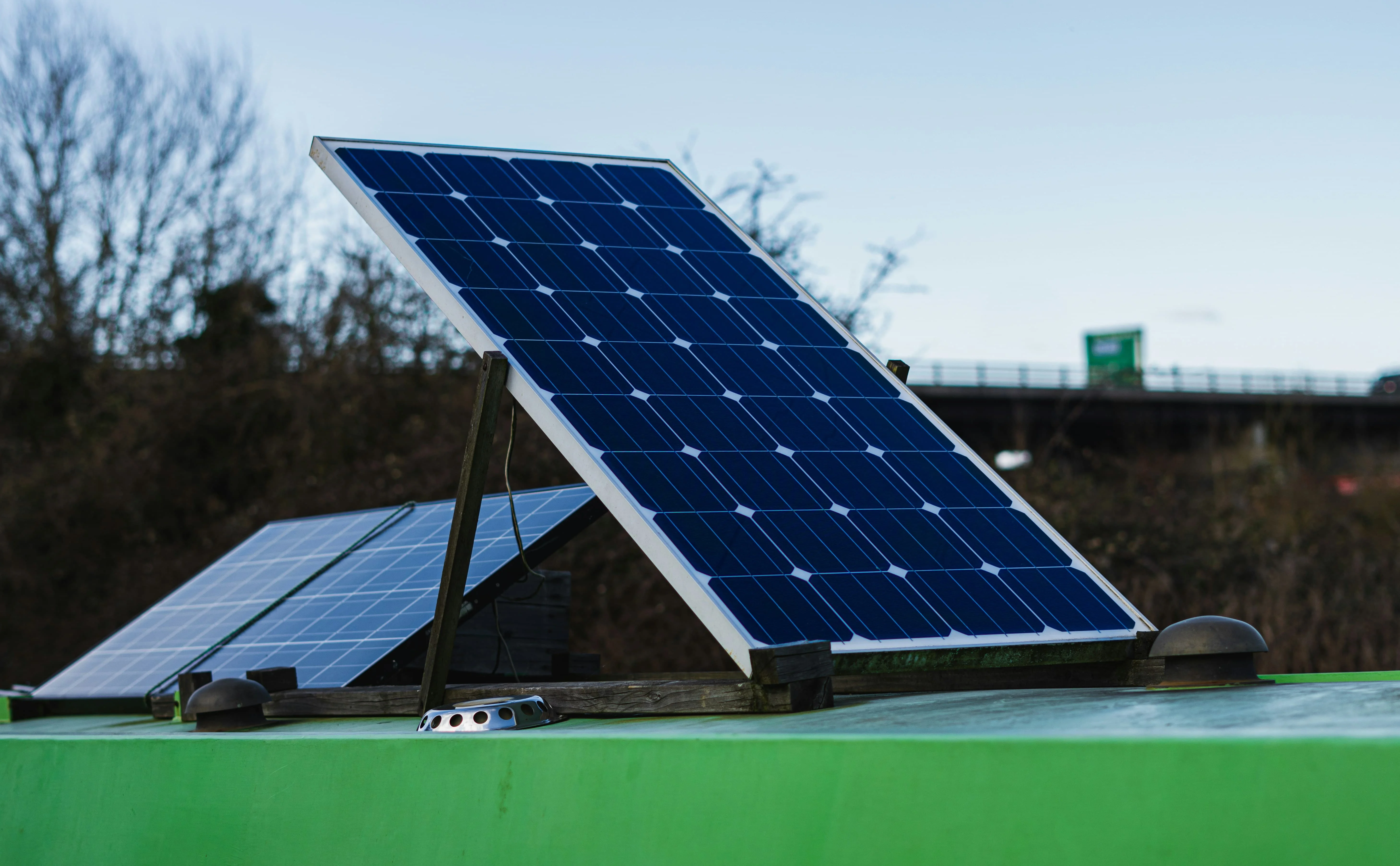
Off-grid solar systems are becoming increasingly popular as energy costs rise and more homeowners, farms, cabins, and remote facilities seek energy independence. Unlike grid-tied systems, off-grid setups must generate, store, and manage all electricity on-site without relying on utility backup. This places higher demands on every component of the system—especially solar panels.
Among the many photovoltaic brands available today, JA Solar is one of the most widely recognized global manufacturers. Known for high-efficiency modules and competitive pricing, JA Solar panels are commonly used in residential, commercial, and utility-scale projects.
But the key question remains: Are JA Solar panels suitable for off-grid solar systems?
The short answer is yes—but with important considerations. In this article, we will explore JA Solar’s technology, performance characteristics, advantages, limitations, and real-world suitability for off-grid applications.
Understanding Off-Grid Solar System Requirements
Before evaluating any solar panel brand, it is important to understand what off-grid systems actually require.
An off-grid solar system typically includes:
-
Solar panels (PV modules)
-
Charge controller (MPPT or PWM)
-
Battery storage system (lithium or lead-acid)
-
Inverter (DC to AC conversion)
-
Backup generator (optional but common)
Unlike grid-tied systems, off-grid setups must balance energy production and consumption in real time while storing excess energy for nighttime or cloudy days.
This means solar panels used in off-grid systems must have:
1. High Efficiency
Space is often limited in off-grid installations (rooftops, cabins, RVs), so panels must generate maximum power per square meter.
2. Stable Performance in Variable Conditions
Off-grid locations often face inconsistent sunlight, so panels must perform well under low-light or partial shading conditions.
3. Long Lifespan and Reliability
Replacing components in remote areas is expensive and difficult. Durability is essential.
4. Compatibility with Battery Systems
Panels must work efficiently with MPPT charge controllers and battery storage systems.
Now let’s see how JA Solar performs against these requirements.
Overview of JA Solar Panels
JA Solar is a leading Chinese photovoltaic manufacturer founded in 2005. Over the years, it has become one of the world’s top solar panel suppliers, with strong presence in residential, commercial, and utility markets.
The company produces a wide range of solar modules, including:
-
Monocrystalline PERC panels
-
Half-cut cell modules
-
Bifacial solar panels
-
High-efficiency N-type TOPCon modules
JA Solar is known for:
-
Competitive pricing
-
Strong global supply chain
-
High module efficiency (often 20%–23% depending on model)
-
Reliable performance in large-scale solar farms
These characteristics make JA Solar a strong candidate for both grid-connected and off-grid systems—but suitability depends on system design.
Efficiency and Energy Output in Off-Grid Use
One of the most important factors for off-grid systems is panel efficiency.
Modern JA Solar panels typically offer:
-
400W–600W output per panel (depending on model)
-
Efficiency rates above 21% for premium modules
-
Low degradation rates over time
Why efficiency matters off-grid
In off-grid systems, every watt counts. Higher efficiency panels:
-
Reduce the number of panels needed
-
Lower installation space requirements
-
Improve charging consistency for batteries
JA Solar’s high-efficiency monocrystalline and N-type modules perform well in this area, making them suitable for residential off-grid homes and small commercial setups.
However, efficiency alone is not the only factor—real-world performance under variable conditions is equally important.
Performance in Low-Light and Real-World Conditions
Off-grid systems often operate in environments that are not ideal:
-
Forest cabins with partial shading
-
Mountain homes with seasonal sunlight changes
-
Desert installations with dust accumulation
-
Remote farms with weather variability
JA Solar panels are designed with advanced cell technologies such as:
-
Half-cut cell design (reduces resistance losses)
-
Multi-busbar (MBB) technology (improves current collection)
-
PERC and TOPCon structures (enhance low-light performance)
Advantages in off-grid environments
-
Better energy harvest during morning and late afternoon
-
Improved performance under cloudy conditions
-
Reduced impact from shading on individual cells
While JA Solar is not the absolute leader in low-light optimization (some niche brands focus specifically on this), its performance is more than sufficient for most off-grid applications.
Durability and Long-Term Reliability
Off-grid solar systems are often installed in remote or harsh environments where maintenance is difficult. Therefore, panel durability is critical.
JA Solar panels are built with:
-
Tempered glass for impact resistance
-
Corrosion-resistant aluminum frames
-
Weatherproof encapsulation materials
-
Certified performance under extreme conditions (snow load, wind load, humidity)
Typical warranties include:
-
12–15 years product warranty
-
25–30 years linear performance warranty
Why this matters for off-grid systems
In off-grid scenarios:
-
Replacement logistics are expensive
-
Maintenance visits are infrequent
-
System downtime can be critical
JA Solar’s strong manufacturing standards make it a reliable option for long-term autonomous systems such as:
-
Mountain cabins
-
Rural electrification projects
-
Telecommunication stations
-
Agricultural monitoring systems
Compatibility with Battery Storage Systems
One of the most important aspects of off-grid design is energy storage integration.
JA Solar panels are fully compatible with:
-
Lithium-ion battery systems (LiFePO4)
-
Lead-acid battery banks
-
Advanced MPPT charge controllers
Why compatibility matters
Solar panels do not directly power appliances in off-grid systems. Instead, they:
-
Generate DC electricity
-
Send it to a charge controller
-
Charge batteries
-
Power loads via inverter
JA Solar’s stable voltage output and predictable performance curves make it easier for MPPT controllers to optimize charging efficiency.
This results in:
-
Faster battery charging
-
Improved energy utilization
-
Reduced system losses
Advantages of Using JA Solar Panels Off-Grid
Let’s summarize the key strengths of using JA Solar in off-grid systems:
1. High cost-performance ratio
JA Solar offers strong efficiency at competitive pricing, making it ideal for budget-conscious off-grid projects.
2. Global availability
Easy access to replacement panels or expansion modules.
3. Proven large-scale reliability
Widely used in solar farms, proving stability and long-term performance.
4. Strong technical variety
Multiple panel types allow system designers to choose based on needs.
5. Good efficiency for residential and small commercial systems
Suitable for cabins, homes, farms, and remote infrastructure.
Limitations to Consider
Despite its strengths, JA Solar is not perfect for every off-grid scenario.
1. Not ultra-specialized for niche off-grid optimization
Some premium brands focus specifically on extreme off-grid environments with enhanced low-light or ultra-durable designs.
2. Large-format panels may be less flexible
High-wattage modules are physically large, which may not suit RVs or compact installations.
3. Requires proper system design
JA Solar panels perform best when paired with correctly sized batteries and MPPT controllers. Poor system design can reduce efficiency regardless of panel quality.
Best Off-Grid Applications for JA Solar Panels
JA Solar panels are especially suitable for the following off-grid scenarios:
Residential Off-Grid Homes
Ideal for full-time living in rural or suburban areas without grid access.
Agricultural Systems
Pumping water, powering irrigation systems, and running farm equipment.
Remote Cabins and Eco-Lodges
Reliable long-term energy supply for tourism or seasonal use.
Telecom and Monitoring Stations
Stable power for communication towers and environmental sensors.
Hybrid Off-Grid Systems
Systems that combine solar, generator, and battery storage.
When JA Solar May Not Be the Best Choice
There are certain cases where other specialized panels might be more suitable:
-
Extremely small RV or mobile systems requiring flexible panels
-
Harsh polar or desert environments needing ultra-rugged modules
-
Ultra-premium off-grid research installations with specialized requirements
In such cases, niche solar manufacturers with off-grid-specific engineering may provide additional advantages.
Final Verdict: Are JA Solar Panels Suitable for Off-Grid Systems?
Yes—JA Solar panels are highly suitable for off-grid solar systems in most real-world applications.
They offer:
-
Strong efficiency
-
Reliable long-term performance
-
Excellent cost-effectiveness
-
Good compatibility with battery systems
-
Proven durability in diverse environments
However, their success in off-grid setups depends heavily on system design, including proper battery sizing, charge controller selection, and energy load planning.
Conclusion
If you are building a residential off-grid home, a remote cabin system, or a small-to-medium commercial off-grid installation, JA Solar panels are a practical and dependable choice. They strike a strong balance between performance, durability, and affordability—making them one of the most widely used solar panel brands in both on-grid and off-grid markets today.
http://www.jasolarworld.com
jasolarworld -
-
AuthorPosts

- You must be logged in to reply to this topic.